
Cohort design
Program scope, student profile, language-pair demand, delivery calendar and pathway outcomes agreed before launch.
Education providers can place students into a governed interpreter pathway with AI simulations, specialist teaching, platform reporting, evidence portfolios and employment pathway review.
Linguist Academy supports training providers that want to offer practical interpreter education but need simulation rooms, telephony practice, video workflows, assessment evidence and specialist faculty around their existing student programs.
Screen language pairs, goals, availability, baseline skills and preferred delivery mode.
Run direct classes, provider cohorts, campus sessions, home learning and event participation through one pathway.
Return attendance, simulation attempts, assessor notes, rubric results and readiness indicators to the provider.

The provider model is designed for clarity: student outcomes, governed delivery, reporting visibility and a practical pathway into language-service work.
Program scope, student profile, language-pair demand, delivery calendar and pathway outcomes agreed before launch.
Telephone, video and face-to-face scenarios with AI role players, non-English-speaking participants and replayable records.
Lecturers, teachers, senior linguists, assessors, technology coaches and guest industry leaders.
Attendance, practice volume, performance trends, completion status, event participation and next-step recommendations.
Rubrics, assessment boundaries, privacy notices, complaints pathway, trainer calibration and evidence retention rules.
Passing students can move toward credential support, compliance checks and employment pathway review where demand exists.
A simple operating rhythm helps providers understand what happens before, during and after a cohort.
Confirm student group, languages, delivery mode, timetable and target outcomes.
Assess baseline English, LOTE ability, interpreting awareness and study readiness.
Deliver curriculum, glossary work, ethics, note-taking and domain preparation.
Run AI-assisted telephone, video and face-to-face interpreting tasks.
Provide evidence summaries, progress indicators and coaching recommendations.
Move suitable students toward credential support, CPD or employment pathway review.
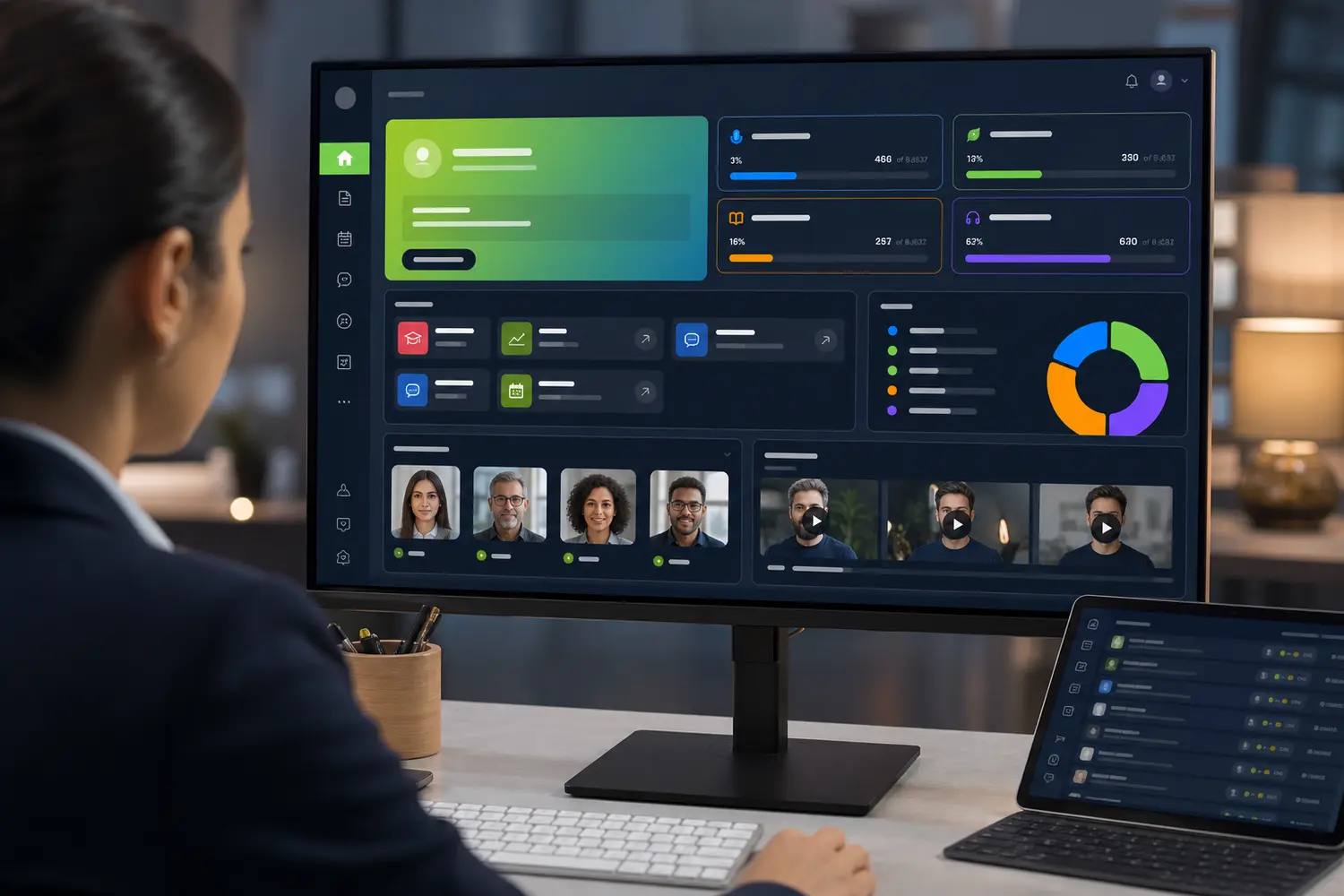
Partner providers need a view that is operational, not decorative. The portal can show which students are active, which simulations need review, which skills need coaching and which learners are close to the next pathway step.
The academy separates training evidence from official certification, keeps human assessors accountable for readiness judgement and uses privacy-aware records for coaching and pathway decisions.